Alejandro Dominguez, the president of CONMEBOL, has announced a considerable expansion for the 2030 World Cup, setting the stage for the tournament to feature 64 teams, up from the 48 teams expected in 2026. This announcement marks a significant leap, as the World Cup traditionally had around 16 teams until it expanded to 24 in 1982, then to 32 in 1998, and most recently to 48 for the upcoming 2026 edition.
A Landmark Celebration
Dominguez shared this bold announcement via social media, emphasizing that this expansion is intended to honor the Centenary of the World Cup. The tournament will include matches hosted in Uruguay, Argentina, and Paraguay, alongside co-hosting duties from Morocco, Portugal, and Spain, a novel arrangement that reflects a broader geographic canvas. The choice of these nations carries historical significance. It was in Uruguay that the inaugural World Cup took place in 1930, and this expansion acknowledges both the legacy and growth of football as a global pastime.
Uruguay, Argentina, and Paraguay are steeped in football culture. Their joint hosting offers a unique opportunity to bring the celebration back to its roots while also integrating new fans from the co-host nations in Europe and Africa. Along with the expanded number of teams, this shift indicates FIFA's intent to embrace a more inclusive football culture, allowing various regions to showcase their talents on the world stage. It'll be a tournament defined not just by the football, but also by the camaraderie built across diverse cultures.
Implications for Qualification
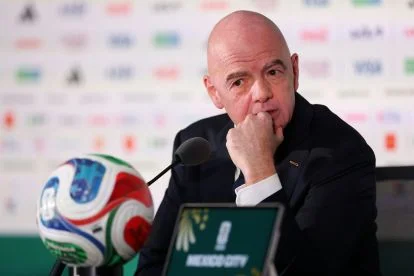
As expected, such an expansion will have major implications for the qualification process. FIFA President Gianni Infantino has previously floated ideas around expanding tournament participation and mentioned plans to evaluate this change following the 2026 World Cup. An increase to 64 teams means a significant overhaul of the existing qualification setup. More teams will increase competition, but it could also lead to overload in logistics and scheduling for national federations.
What does this mean for the teams? Well, nations that previously found it difficult to qualify—especially those from regions like Oceania or Africa—might find new opportunities. However, this change risks diluting the tournament's prestige. Once a coveted achievement, qualifying for the World Cup could become less exclusive, and fans may have mixed feelings about that. The higher number of teams could see matches featuring nations with less footballing history, possibly leading to uneven contests.
Even with its challenges, the allure of the World Cup is undeniable. Infantino remarked, “When organizing a World Cup, it’s essential to embrace a global perspective—this means not just catering to Europe and South America, but making it accessible to nations worldwide, allowing all nations to dream of competing on such a grand stage.” His vision is ambitious but achievable, depending on FIFA’s ability to formulate a fair and functional qualification process.
¡El próximo se juega en casa! En 2030 se viene el Mundial de Uruguay, Argentina y Paraguay, Una gran oportunidad para el fútbol, para celebrar el Centenario de la Copa del Mundo con una competencia con 64 equipos pic.twitter.com/ocIjHYCN5f
— Alejandro Domínguez (@agdws) July 20, 2026
Future Outlook
The expansion to 64 teams in 2030 signals a potentially transformative era for the World Cup. But will this monumental change enhance the fan experience or simply complicate it? One of the most significant factors moving ahead will be how FIFA manages the logistics. The organization will face pressing challenges related to broadcasting, which often depend on high-stakes encounters featuring the world’s top footballing nations.
And let’s ponder this: the World Cup is a celebration of talent, rivalry, and culture. Will adding more teams dilute the drama that's traditionally at the heart of the tournament? If you're working in this space, you'll likely need to keep an eye on how grassroots efforts within each participating country adapt to this expansion. The opportunity for development in emerging football nations is enticing, but it’ll require substantial investment and commitment.
In closing, while the excitement around this proposed expansion is palpable, skepticism lurks beneath the surface. The history of the World Cup has been one marked by competition and excellence, and whether or not this upcoming iteration can uphold that standard remains an open question. There’s plenty to watch for in the coming years as FIFA prepares to usher in this new chapter for the World Cup.