With the 2026 World Cup concluded, it's essential to evaluate how Serie A players performed on the international stage. While some enhanced their reputations, others returned with their credibility in question. This World Cup was not merely a tournament; it was a platform where individual players could either solidify their place among footballing greats or highlight an ongoing struggle for consistency and impact.
Highlights and Low Points for Serie A Players
Spain claimed victory, triumphing over Argentina in the final, marking their second World Cup win. This outcome was not just a matter of skill; it reflected a strategic approach that combined youth and experience. Notably, La Roja also surpassed Italy’s long-standing record for the most extended unbeaten streak in international football, showcasing the depth of their talent throughout the tournament. Their victory is indicative of a larger shift in the international football hierarchy, one where traditional powerhouses like Italy are forced to reevaluate their competitive edge.
As the tournament progressed, analysts Lorenzo Bettoni and Giancarlo Rinaldi highlighted key performers—like Lautaro Martínez, Christian Pulisic, and Charles De Ketelaere—who left memorable impressions. Martínez, in particular, has been a beacon of hope for Serie A, showing that players from Italy's domestic league can thrive globally. His ability to find the net at crucial moments reestablished his status as one of the league's premier talents, possibly leading to greater acclaim and interest from top European clubs.
Conversely, there were several players whose underwhelming displays left fans and pundits questioning their capabilities. For instance, when expectations run high, so does the scrutiny. The performance of some Serie A representatives fell sharply short, underscoring the pressure that comes with international tournaments. Players who might have shone brightly in domestic fixtures found themselves outmatched on the world stage, raising questions about their readiness for such high-stakes situations. This stark contrast can significantly affect their future careers and transfer market interest.
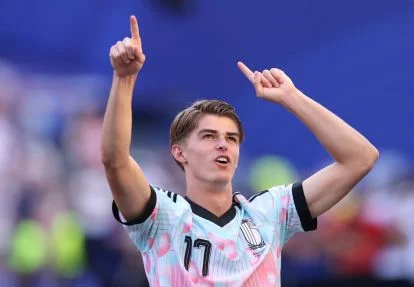
For a detailed breakdown of the tournament's impact on these Serie A talents and to explore the contrasting fates of the players, be sure to check out the full analysis below:
Comparative Analysis: Past World Cups and Serie A Player Performances
When contextualizing this World Cup with previous tournaments, it's evident that Serie A players have historically faced stiff competition on international grounds. In earlier tournaments, players like Alessandro Del Piero and Andrea Pirlo shined, often leading Italy deep into the knockout stages. Their ability to influence crucial matches exemplified the high bar set for successors. As the world adjusts to new footballing dynamics, Serie A players now find themselves in a somewhat paradoxical position. Some players excel on home soil yet struggle to translate that success to the international arena.
This trend raises several questions about training regimens, mental preparation, and tactical awareness. If you're working in this space, you may find it instructive to consider how the mental load of international pressure could be impacting performance. Countries with deeper footballing infrastructures—like France and Brazil—seem to prepare their players for such high-pressure situations more effectively, contributing to consistent international success. That's a key point to ponder as Serie A looks to bounce back from recent disappointments.
Analyzing Player Engagement and Future Implications
The varying degrees of success among Serie A players during this World Cup have significant implications for them and their clubs. Strong performances not only enhance individual reputations but also boost the profile of the league itself. In contrast, players who falter may see their stock fall, potentially limiting transfer opportunities. For instance, clubs usually pay close attention to World Cup standings, as post-tournament performances often dictate market values. This is more significant than it looks; a single tournament can drastically shift a player’s career trajectory.
What this means for you, if you're analyzing Serie A, is that the league must adapt its approach to player development and international readiness. A focus on enhancing mental resilience, alongside technical skill, could prepare players for the heightened scrutiny that comes with representing their countries. Moreover, it signals to coaches and scouts that a refined strategy may be needed to cultivate talent better suited for international competitions.
(p) This World Cup was a different experience altogether. The lessons learned here will shape the next generation of players.Future Outlook for Serie A Players in International Football
As the dust settles on the World Cup, one must consider the road ahead for Serie A's finest. An upcoming qualification cycle will soon test their mettle again. The spotlight doesn’t stay dim for long; players have to consistently prove their worth, both in league play and at the international level. The emergence of new talent could provide Serie A with fresh hope, shaping a new identity for the league on the global stage. However, until these players can convert their domestic success into international recognition, skepticism about Serie A's standing in world football will persist.
In the end, the impact of this World Cup ripples far beyond just immediate accolades. It reshapes perceptions, influences future transfers, and challenges players to elevate their game. Serie A has the talent pool to bounce back, but it requires a concerted effort to bridge the gap between domestic prowess and international performance.