Kai Havertz (£7.6m), Brian Brobbey (£5.7m), and Antoine Semenyo (£8.4m) have been flagged with injuries, causing concern for Fantasy Premier League (FPL) managers. The timing of these injuries, closely aligned with the international break, poses a significant challenge not just for the players involved, but also for their teams and FPL participants globally.
- READ MORE: Palmer injury latest after England international withdrawal
- READ MORE: Rice, Dedic, Sesko + Livramento the latest international withdrawals
Havertz Suffers Muscle Injury
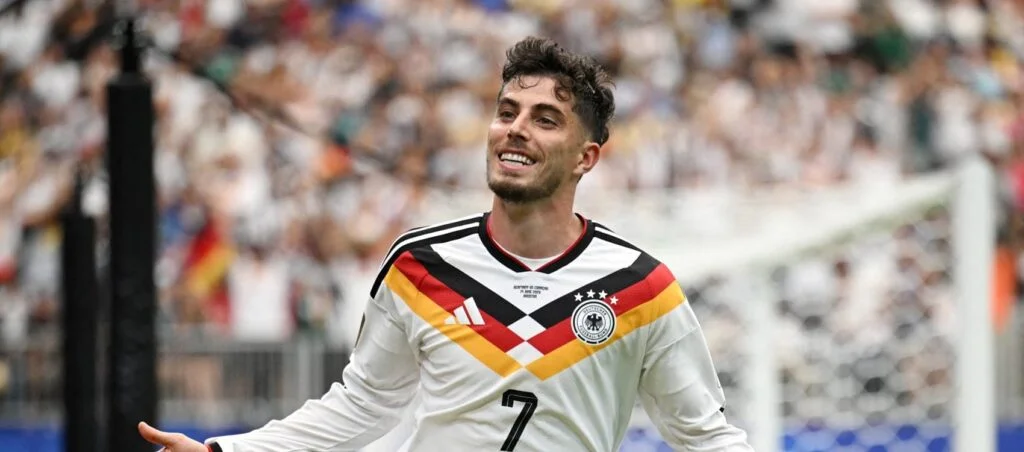
Havertz was forced to exit during Germany's 1-1 draw against the Netherlands after sustaining a suspected hamstring injury due to a tackle from Quinten Timber (£5.0m). After showing initial determination to continue playing, he quickly succumbed to the pain and had to leave the pitch, heading straight for the locker room. This incident highlights the physical demands placed on footballers competing at this level, where every match can be a collision course for injury. Post-match, he underwent scans, and Jurgen Klopp indicated that Havertz is likely sidelined for the remainder of this international break.
“Both [Havertz and Musiala] are undergoing MRI scans. I’m hopeful we can confirm the diagnoses soon. It’s concerning, and I'm hoping it's not serious.” – Jurgen Klopp, via The Athletic
The German football association has confirmed that Havertz will return to Arsenal with a “muscle strain.” For FPL managers, this development is more significant than it looks. Havertz had recently become an integral part of the Arsenal lineup after his transfer, and his absence could jeopardize his team's chances while impacting managers who relied on his potential contributions.
Brobbey Returns to Wearside

In another incident, Brobbey also sustained a muscle injury shortly after joining the Dutch squad. His impressive performance, particularly following a hat trick in Gameweek 5, had elevated his status among FPL managers, with over 188,000 transfers in within a week. The sudden nature of his injury, occurring without any visible contact, raises questions about the common types of muscle issues players face and how they can often impact form just as quickly as they can boost it. After clutching his hamstring, he limped heavily down the tunnel, which didn’t share much hope for FPL managers counting on his contributions. Netherlands coach Xavi Hernandez confirmed later that Brobbey would return to Sunderland.
Semenyo Withdraws from Ghana Squad

Semenyo will also miss out on international duties with Ghana due to a swelling in his leg. The Ghana Football Association president Kurt Okraku provided insights on the situation, underscoring the necessity of prioritizing player health over immediate competition. Expressing trust in the player’s honesty about his condition, Okraku emphasized that it’s best for Semenyo to focus on recovery. If you're working in this space, health and wellness strategies are growing in importance, as clubs increasingly recognize that well-managed players can lead to better performances down the line.
“Antoine expressed his desire to be re-examined by medical staff. However, his leg is swollen, and it’s best for him to focus on recovery.”
“We trust our players to be honest in such situations. It's important that he gets the necessary treatment to ensure he is fit for upcoming fixtures.” – Kurt Okraku, via the Manchester Evening News
Implications for Fantasy Premier League Managers
These player injuries present significant challenges for FPL managers who rely on their performances. Each injury not only affects team selections but can also alter the overall strategy many managers employ. These setbacks are even more pronounced when they occur during critical matchweeks. For instance, Havertz, who was beginning to find form and connection with his new teammates at Arsenal, won't just be a loss on the pitch — his absence could also steeper shifts in the broader transfer market. If you were looking to acquire players based on current form, this could disrupt your plans.
The cascading effects of these injuries aren't just on the teams themselves. They offer a chance for other players to step up, potentially altering the dynamics within squads. And yet, with every injury comes a deeper concern about physical preparedness in modern football, raising questions about training, recovery protocols, and how clubs manage player workloads. After all, staying fit often means staying competitive. A final thought: the tight schedules and constant travel linked with international duty can exacerbate these issues, leading to a vicious cycle of injuries that could ripple through the season. With the FPL season still in its early stages, the repercussions of these player absences could lead to long-term trends worth watching closely.