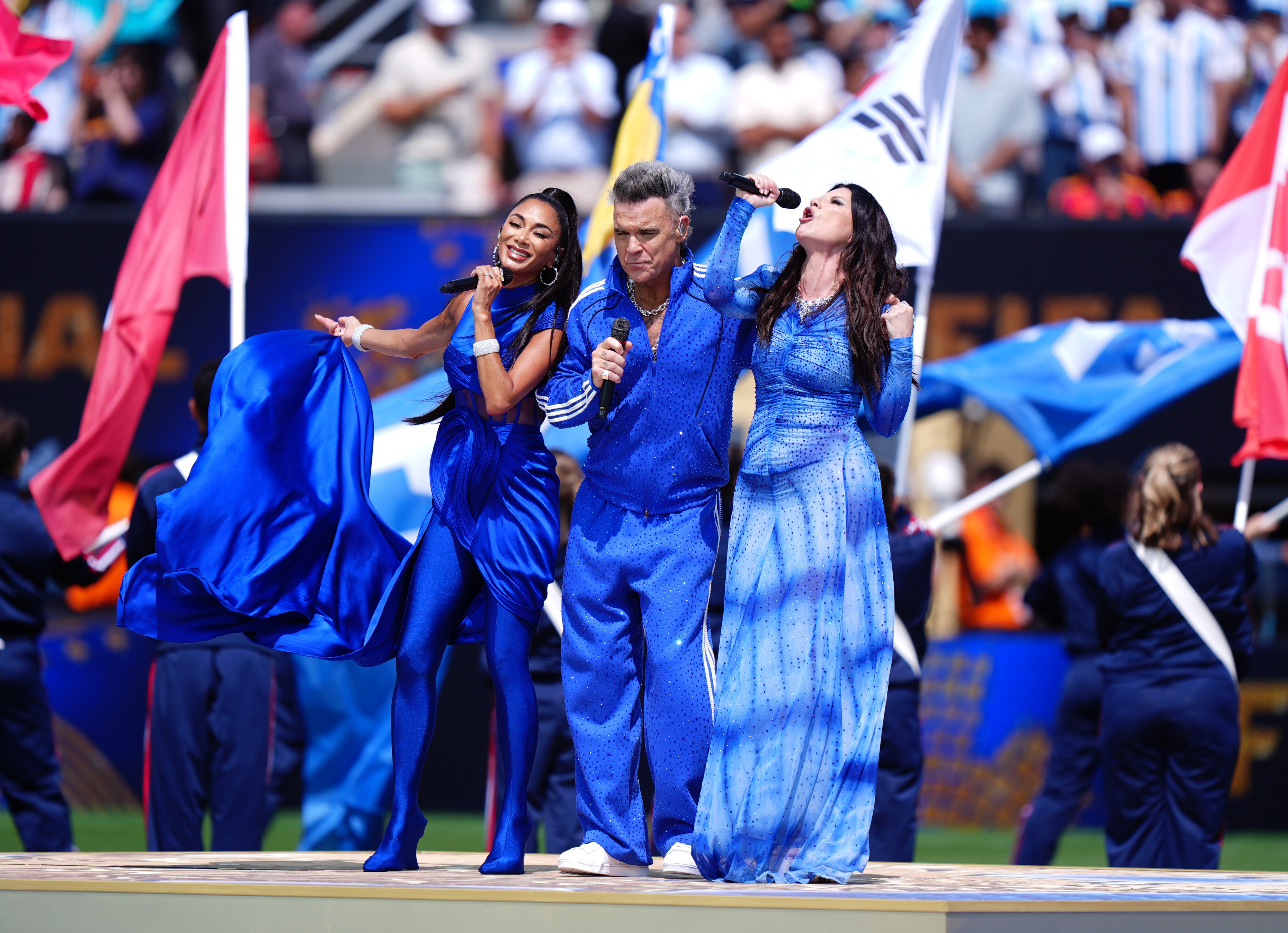
Robbie Williams recently shared a light-hearted apology regarding an unexpected incident during the World Cup final where he unintentionally spat a small white object onto his microphone. The pop star, who performed alongside Nicole Scherzinger and Laura Pausini at the game’s closing ceremony, spoke after the incident gained traction online.
The Incident: A Comedic Moment in Sports Entertainment
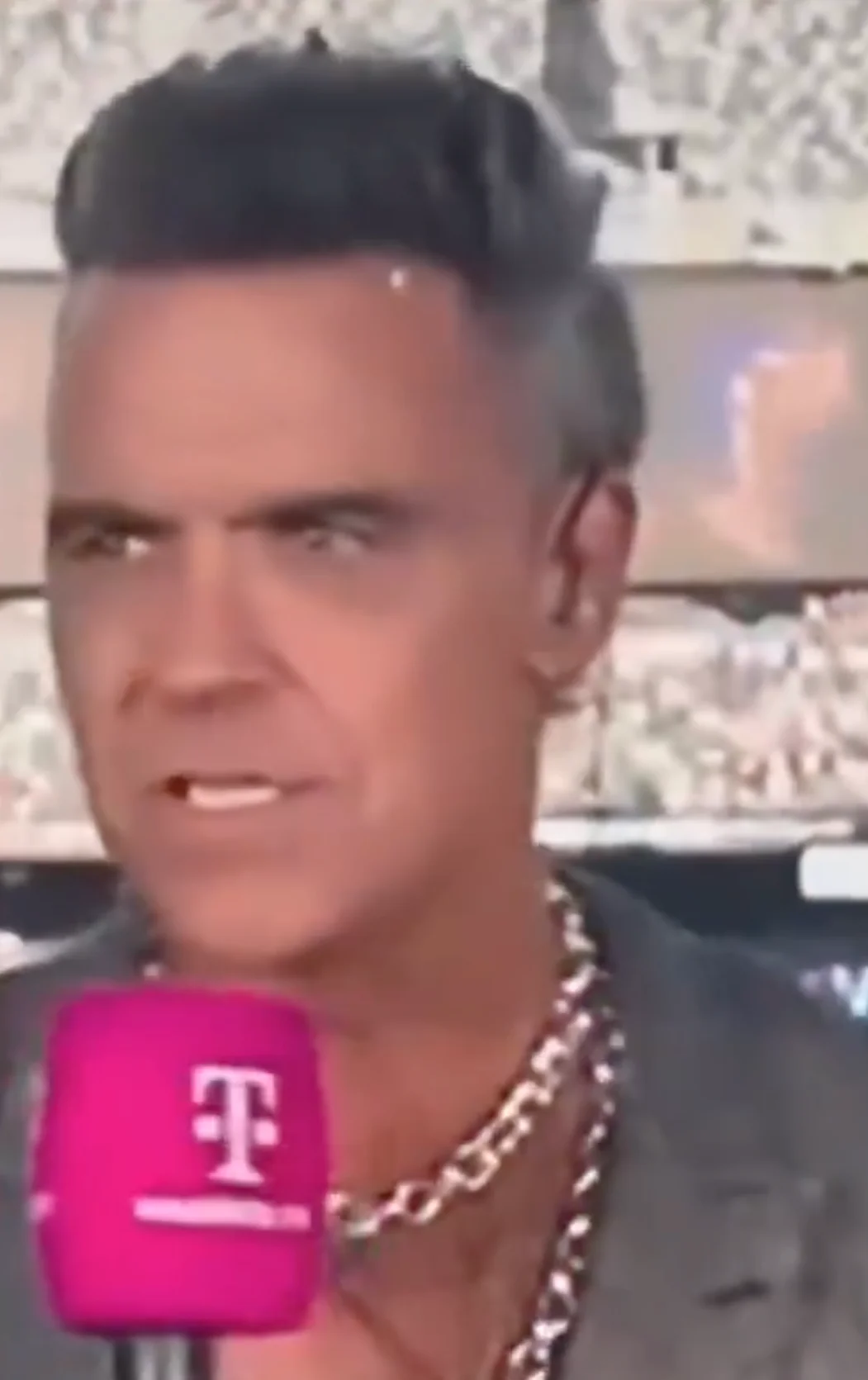
During his appearance on the German TV channel Magenta Sport, Williams inadvertently showcased the object in question while engaging with sports pundits. The moment drew immediate attention when he picked it up, briefly held it, and then comically placed it on his forehead. This seemingly innocuous act became a topic of discussion. It’s not every day that a World Cup performance is punctuated by a silly moment like this, which stood out amid the high-stakes atmosphere of the event. Fans and commentators alike couldn't help but react, blending a mix of humor with the scrutiny that comes with high-profile performances.
Robbie’s Response: Humor in a High-Pressure Situation
Following the incident, Williams took to social media to clarify matters with a humorous video while lounging in bed. This light-hearted approach stands in stark contrast to the frenzy that often surrounds celebrity mishaps. He acknowledged the unexpected gaffe, admitting, “I’d like to apologise for the object that fell on to the microphone yesterday. I was deeply unprofessional, and people worried about me.” Such a candid remark adds a layer of relatability to a celebrity persona that often feels distant.
To lighten the mood, Williams displayed two circular mints, saying, “But it’s OK. Because I had several more,” while laughing at the absurdity of it all. Williams understands the importance of sprinkling humor into uncomfortable situations. This self-deprecating attitude not only eases the tension but also keeps him connected with his audience. After all, in the age of social media, authenticity goes a long way in maintaining fan loyalty.
Cultural Context: Halftime Shows and Celebrity Performances
The same evening, the World Cup final showcased its inaugural halftime show, featuring a diverse lineup that included international celebrities like Madonna, Shakira, BTS, and Justin Bieber. The decision to extend the halftime spectacle from the usual 15 minutes to more than 27 minutes indicates a growing trend where sports events double as major entertainment productions. This shift isn't just a nod to fan demand but illustrates how deeply intertwined sports and pop culture have become.
Screened at the New York New Jersey Stadium, the halftime show also included special guest appearances from iconic Muppet characters such as Kermit the Frog and Miss Piggy. The inclusion of family-friendly icons reflects an effort to appeal to a broad audience—something that major events strive for. However, this mix of content can also lead to a disjointed experience, making one wonder if the overarching themes of the event get diluted. Not everyone was impressed; former England striker Wayne Rooney, working as a BBC pundit that night, candidly shared that his highlight was when the performance ended. He remarked, “I like a lot of them artists but I thought it was crap,” criticizing the overall energy of the show. Such honest commentary reveals the split opinions on modern halftime shows and underscores that fans expect a certain level of engagement and entertainment value. His co-panelists humorously dubbed him “miserable,” a reminder that not everyone shares the same taste when it comes to entertainment.
Implications for Celebrity Culture
What this entire incident illustrates is how moments like this ripple through pop culture. Robbie Williams’ playful banter allowed him to navigate potential embarrassment with ease, turning a minor slip into a memorable moment. In today’s hyper-digital age, celebrities can’t escape scrutiny. Fans expect them to handle situations with grace—preferably with a dose of humor. This adaptability often determines their longevity in the industry.
If you're working in this space, particularly in sports marketing or event management, you’ll need to pay attention to how these incidents can shape public perception. The blending of performance art with sports highlights a changing landscape where every moment is evaluated, critiqued, and amplified. Williams’ ability to turn a minor mishap into a shared laugh may serve as a model for others. This reaction balances the high-pressure environment athletes and performers operate under, suggesting that those who can humanize themselves tend to fare better in the public eye.
In the end, this quirky gaffe was more than just a lighthearted moment during a pivotal sports event; it became part of the narrative that keeps fans engaged. As events like the World Cup continue to embrace both sports and entertainment, they mirror the real-time dynamics of celebrity culture, ever-sensitive to the expectations and perceptions of millions.