In a bold move, Italy's football authorities are reportedly engaging in discussions with Pep Guardiola to take the reins of their national team. Following a disappointing playoff exit at the hands of Bosnia and Herzegovina, Italy is determined to find a leader who can restore the team's competitive edge on the global stage. For a nation synonymous with footballing excellence, the urgency to find the right coach cannot be overstated, particularly after prolonged periods of underperformance.
The Weight of History
Italy's footballing pedigree is unmatched by many. The nation has won four FIFA World Cups, showcasing a legacy filled with champions and tactical mastery. However, they have not qualified for the World Cup in 12 years, leading to the recent departure of Gennaro Gattuso as head coach. The absence from football’s biggest stage has not only disappointed fans but has also raised questions about the current state of Italian football. The dramatic playoff exit serves as a wake-up call, indicating that significant changes are necessary if Italy hopes to compete effectively with other footballing nations.
The Pursuit of Pep Guardiola
With the stakes high, the Italian Football Federation (FIGC) is making significant strides in its attempts to secure Guardiola, a manager renowned for his success with Manchester City. Guardiola's tactical acumen and ability to mold teams into cohesive units have made him a highly sought-after figure in football. His record of achieving unprecedented levels of success makes the prospect of him coaching the Azzurri particularly tantalizing for fans and officials alike. The FIGC reportedly has a coherent four-year strategy aimed at appealing to Guardiola, placing emphasis on a project that looks beyond immediate gains. This suggests serious commitment from the governing body.
Newly appointed technical director Paolo Maldini and advisor Leonardo took the unusual step of traveling to Barcelona to articulate this vision to the former City manager. Their outreach shows a willingness to break from tradition and align with modern coaching philosophies. But pursuing Guardiola isn’t without its challenges; the pressure that comes with managing the national team can be intense.
Guardiola's Position
While it's unclear how receptive Guardiola is to the proposal, the FIGC remains committed, investing substantial effort into convincing him. Their proactive approach suggests not only desperation but also recognition of his potential fit within the national framework. Maldini and Leonardo reportedly spent three days discussing the future of Italian football with Guardiola. Given Guardiola’s previous stance about taking a break, the FIGC’s resolve raises questions. Will they be able to entice him back into the coaching fray so soon? The complexities around his willingness to engage must not be overlooked.
Interestingly, Italy has a long history of domestic management, having only employed one foreign manager in its 60-year history—Argentinian Helenio Herrera, who served alongside Italian coach Ferruccio Valcareggi in the 1960s. Guardiola's potential appointment would be significant and a marked departure from tradition. This choice speaks volumes about the FIGC's readiness to embrace change in pursuit of success.
Alternatives and Contingencies
If the negotiations with Guardiola falter, the FIGC has alternative candidates lined up, including former coach Roberto Mancini and Andrea Pirlo, both of whom have strong ties to the national team. Their familiarity could provide stability alongside the potential for new insights. Mancini, in particular, has led Italy to some recent successes, although his past tenure has raised questions about longevity and effectiveness in harnessing the depth of Italian talent.
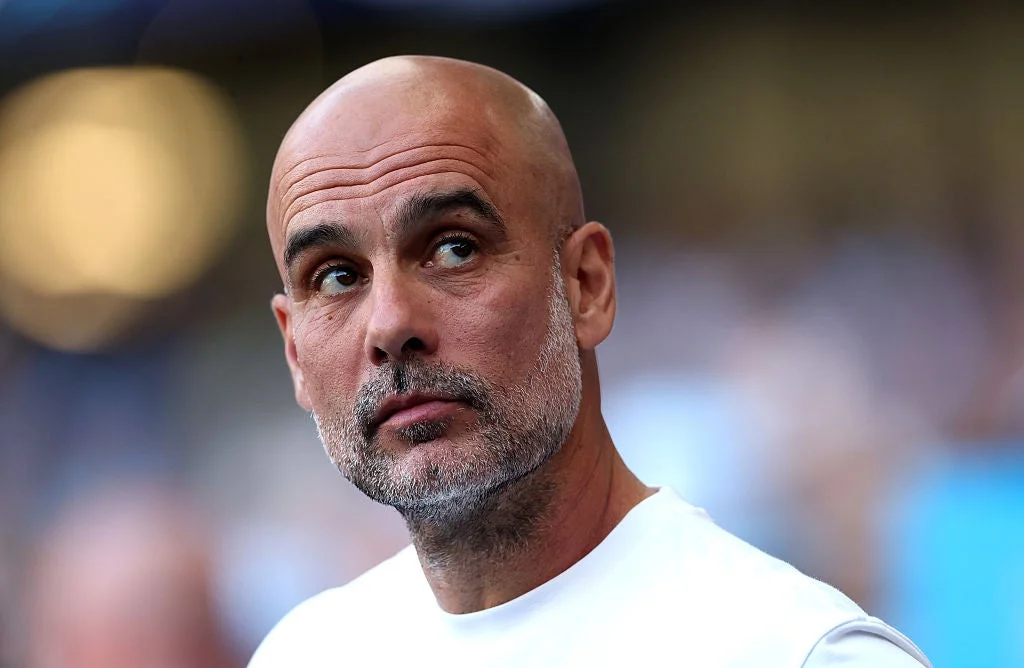
Guardiola's Timing
Guardiola had previously indicated he would refrain from taking on new coaching responsibilities immediately after leaving Manchester City, citing a desire to recharge. His decision to step away comes after a decade filled with significant achievements. This pause is essential for him, and perhaps the timing of Italy’s interest is too soon. During his farewell press conference, he expressed concerns over not having the energy to meet the demands of daily coaching. "No plans for coaching for a while," he commented, reflecting a cautious approach to his career’s next steps. This caution complicates the FIGC’s hopes, but they’re betting on the allure of managing the national team to sway him.
Implications and Future Outlook
The prospect of Guardiola leading the Azzurri is more significant than it looks. Hiring him could reshape Italian football, marking a new chapter that shifts the focus from traditional models to a more expansive and modern style of play. What this means for you, if you’re working in this space, is a changing dynamic in coaching and talent management within national teams. If Italy can land a figure like Guardiola, this might prompt other nations to reconsider their own choices in management, pushing for greater international influences and diverse tactical approaches.
The challenge remains: can Italy finally secure the leadership it needs to break its World Cup drought? In a footballing world that often rewards innovation and adaptability, the outcome of these negotiations could have ripple effects well beyond Italy’s borders. There's pressure not just to find a coach but to find one who can shift an entire culture and inspire a generation of players. And that’s no easy undertaking.