The BBC has once again asserted its dominance in the sports broadcasting arena, particularly with the World Cup final. The network reported a peak audience of 15.8 million viewers tuning in to watch Spain triumph over Argentina, translating to a commanding 64 percent share of TV viewership across its platforms. That kind of share doesn’t just happen—it's a testament to the BBC’s ability to make the most of its deep-rooted connection to sports fans in the UK.
This marked an increase from the 58 percent share during the 2022 final between Argentina and France. Average viewership for this year’s final was recorded at 13.9 million, underscoring the network's enduring popularity in major sporting events. The figures present a compelling case: despite an array of streaming options, traditional broadcast networks like the BBC still hold sway over live sporting events.
Strategic Coverage Decisions Pay Off
Interestingly, the BBC's choice not to send its studio team to the U.S. until the semifinals has proven effective, with presenter Gabby Logan leading the coverage live from MetLife Stadium. This decision reflects a calculated approach, focusing resources where they would have the most impact. She was joined by pundits Wayne Rooney, Joe Hart, and Micah Richards, contributing to a relatable and dynamic broadcast. This ensemble not only brought expertise but also familiarity, creating an inviting atmosphere for viewers.
While ITV also aired the final, their viewership peaked at just 3.4 million. ITV’s strategy of showcasing the entire tournament from an upscale rooftop studio in Brooklyn failed to bridge the ratings gap, despite featuring star pundits such as Gary Neville, Roy Keane, and Ian Wright. This disconnect suggests that location and presentation can significantly affect viewer engagement. High production values are great, but they don't always compensate for a lack of relatable context or host chemistry.
Highs and Lows in Viewership
The BBC’s triumph can also be credited to its strategic early coverage, which unfolded from Salford for the group stages and initial knockout matches. This decision coincided with England’s unexpected journey to the semifinals, where over 24 million viewers watched their match against Argentina, leading the ratings as the likely most-watched broadcast of the year. The early investment in coverage positioned the BBC as the go-to network for fans as the tournament progressed.
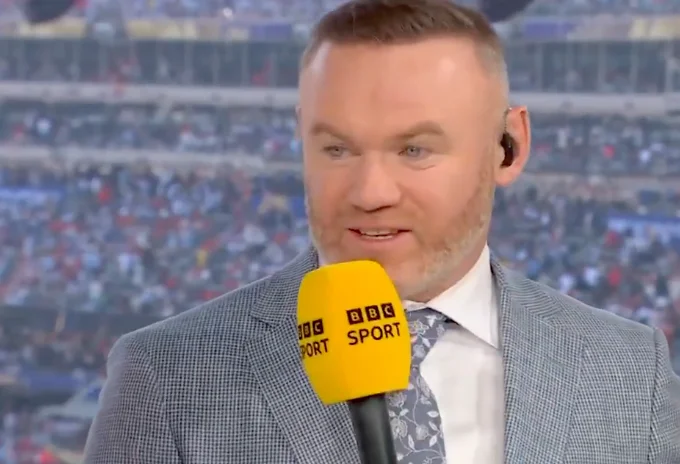
Adding to the BBC's success were several viral moments, including incidents where Harry Kane lost his voice post-game, and Rooney’s candid remark regarding the half-time entertainment, both highlighting the broadcast's entertainment factor and audience engagement. These unscripted, raw moments can enhance connection with the audience, making them feel like they're all part of one big conversation. This is the part most people overlook—it's not just the match; it's the surrounding narrative that keeps viewers hooked.
Additional Insights
Furthermore, the BBC noted a surge in TV licence sales during the tournament, credited to promotional strategies like displaying QR codes during matches, showcasing their ability to adapt to digital engagement trends. By integrating technology into their broadcasts, the BBC manages to attract a younger audience who increasingly prefers digital interaction over traditional media consumption. If you're working in this space, recognizing these trends can be key to staying relevant and engaging.
Analyzing the BBC’s strategy, it becomes clear that effective programming and strategic decisions significantly enhanced their standing in sports broadcasting during this World Cup. Their viewer connection is strong—far stronger than ITV could replicate with their flashier approach. This contest isn't just about sports; it’s about storytelling, connection, and audience loyalty.
Implications and Future Outlook
The implications of these viewership dynamics are significant. As the sports broadcasting industry evolves, networks must adapt not only in terms of content but also in how they present it. The success of the BBC highlights the necessity of a personalized approach, where fan engagement becomes a central focus. With more broadcasting rights becoming available globally, we might see networks trying to outdo each other not just with star pundits, but with meaningful narratives and community connections.
And yet, the question remains: what happens when these viewing figures plateau? Underneath these impressive numbers is a landscape where viewer habits are changing rapidly. With streaming platforms capturing younger audiences, traditional broadcasters like the BBC need to find a balance. They can't solely rely on their legacy; they have to appeal to a new generation that demands interactivity and accessibility. This isn’t just about broadcasting the game; it’s about creating an experience that resonates long after the final whistle is blown.