The debut halftime show at a FIFA World Cup final has generated a wave of opinions across social media, with strong reactions from fans and commentators alike. Headlined by Madonna, the eclectic performance featured Brazilian football legends Ronaldinho and Ronaldo, who performed alongside her. This show marked a historic shift in the traditional structure of soccer's most prestigious tournament—a departure from the expected 15-minute break into a full-scale entertainment spectacle.
Performance Highlights and Artistic Collaborations
Madonna opened her segment with a rendition of her 2000 hit “Music,” setting the stage for a diverse lineup that many attendees and viewers did not anticipate. This performance went on to showcase The Muppets, who have a longstanding cultural impact, alongside Gustavo Dudamel conducting “Seven Nation Army,” a song that resonates deeply in sporting venues. Then there were K-pop sensations BTS with “Dynamite,” followed by Justin Bieber singing an acoustic version of his upcoming single “Everything Hallelujah.” The show also included highlights from Shakira and Burna Boy’s anthem “Dai Dai,” which has gained traction in global music charts. It all wrapped up with a performance by Coldplay accompanied by a children's choir, a touching moment that aimed to blend innocence with the high stakes of the final.
This diverse blend of acts reflects not only a shift in entertainment values but also FIFA’s acknowledgment of global music trends. The inclusion of K-pop and acts from different continents is a nod to the multicultural audience the World Cup attracts. Fans of various melodies and genres had something to latch onto, possibly expanding FIFA's fanbase into younger demographics who may be more interested in the performers than in soccer itself. Still, this crossover raises critical questions about the event’s identity: Is it still a football championship, or has it become a stage for global celebrity culture?
Mixed Reactions and Criticisms
However, the total break lasted an eye-opening 27 minutes and 19 seconds, significantly exceeding the traditional 15-minute halftime limit outlined by the International Football Association Board (IFAB). Such a lengthy interruption drew ire from numerous football fans, many of whom expressed their dissatisfaction over social media platforms. One notable comment referenced the film *The Godfather*, pointingly stating: “Halftime show at World Cup final. Look how they massacred my beautiful game,” which resonated with many who felt that the performance detracted from the football experience they cherish.
This backlash from fans underscores a critical tension in modern sports: the desire for entertainment versus the preservation of game integrity. Critics argue that the extensive halftime show risks alienating die-hard football fans who value the traditional aspects of the sport. Some even pointed out that such distractions might unsettle players during a pivotal match. One pointedly argued that the spectacle disrupted the routines of the athletes who had trained for this significant event, potentially impacting their performance.
Supporters and Praise
Yet, not everyone was disheartened by the performance. Some viewers praised the grand display, even suggesting it surpassed many Super Bowl halftime shows. This dichotomy in audience reception not only illustrates the deep investment fans have in football as a sport but also highlights the possibility that entertainment could serve to enhance a viewing experience rather than detracting from it. For some, the star power and sheer spectacle provided a necessary diversion and celebration of culture.
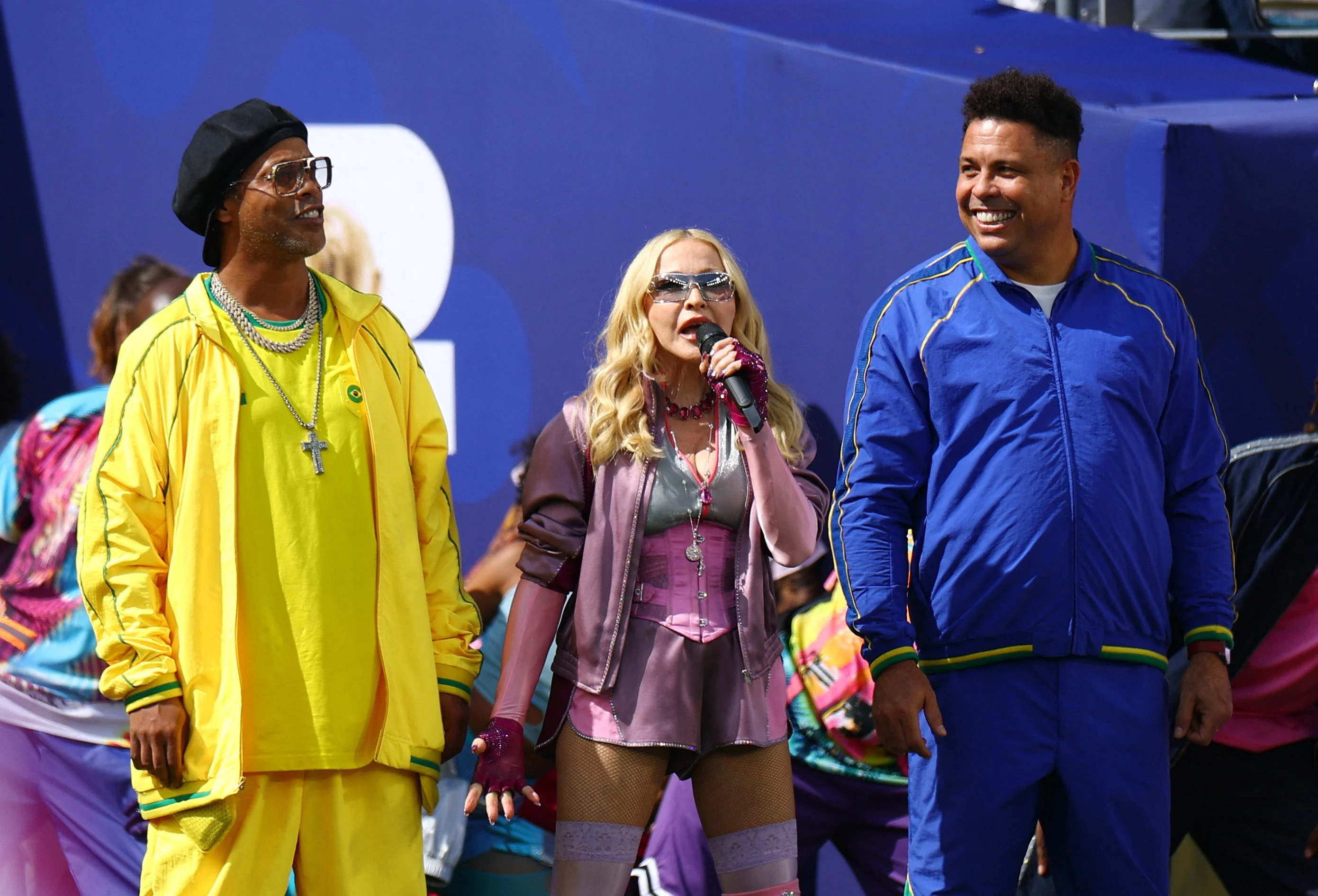
Despite the mixed reviews, many high-profile football figures shared their thoughts post-event. Wayne Rooney was candid in his critique, calling the show “crap,” a stark contrast to the more positive outlook of figures like Gary Neville, who found enjoyment in the celebration of diverse musical talents, especially highlighting Burna Boy’s performance with Shakira. This variance in opinions underscores the polarizing nature of blending sports and entertainment, reflecting broader cultural divides in how such spectacles are perceived.
Implications and Future Outlook
The significant departure from the standard football format not only sparked conversation about the event itself but raised questions about FIFA's direction and its approach to fan engagement. This halftime show signifies a broader attempt to blend entertainment with sports traditions, effectively changing the dynamic of how fans experience the game. If you're working in this space, this evolution may prompt you to rethink audience engagement strategies. The emphasis on flashy performances could become more common, as FIFA seeks to appeal to a younger audience steeped in digital culture and diverse entertainment.
That said, the challenge remains to balance the age-old traditions of football with the modern expectations of entertainment. Will future World Cups adopt similar formats, or will this simply be an anomaly in FIFA’s history? The reactions suggest both a demand for traditional football offerings and an appetite for modern, engaging entertainment. The crux lies in finding a middle ground that satisfies dedicated fans while attracting others who may not view football as their primary interest. This is more significant than it looks; the implications for FIFA's branding, fan engagement, and cultural relevance in an increasingly digital landscape are profound.