Wayne Rooney, the former England forward, was candid in his assessment of the inaugural half-time show during the World Cup final, which was a departure from the usual football focus. The event, staged at New Jersey's MetLife Stadium, involved an extended half-time break of over 27 minutes to accommodate an 11-minute performance featuring major artists like Madonna, Shakira, and Justin Bieber. This substantial duration showcased a clear shift in the way football is packaged for viewers, reflecting a growing trend where entertainment takes precedence over the match itself.
Wayne Rooney’s Blunt Reactions
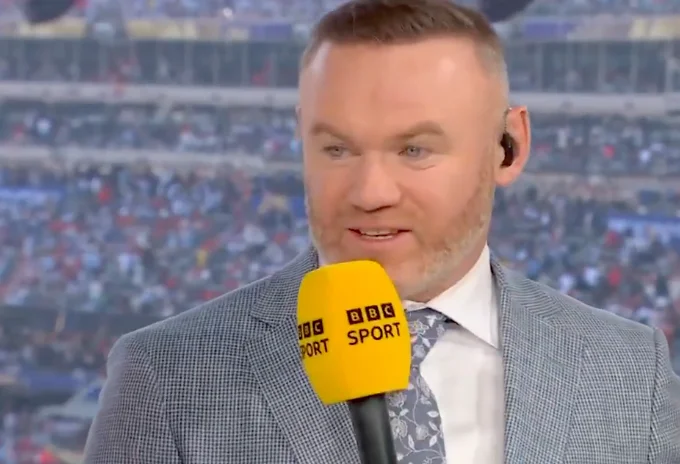
Rooney, who served as part of the BBC's commentary team alongside Joe Hart and Micah Richards, didn't hold back his criticism. When asked for his highlights, he remarked, "I’ll be honest, mine was when it finished." This comment not only illuminates his personal disappointment but also resonates with a broader audience that may have shared his sentiments. Rooney's straightforward evaluation underscored an underlying frustration among traditional football fans who prioritize the game's authenticity over flashy entertainment. He elaborated further, stating, "I like a lot of those artists but I thought it was crap." This blunt honesty seemed to articulate a wider discontent in the football community, revealing that glitz and glamour don’t necessarily translate to satisfaction.
The Polarization of Opinions
Micah Richards jokingly labeled Rooney as "miserable," particularly after Rooney highlighted the performances of Shakira and Burna Boy as better elements of the show. This light-hearted exchange pointed towards a deeper issue: the entertainment choices often don’t resonate equally among all viewers. The disconnect in views echoed the mixed reactions to the performance, illustrating how subjective entertainment can be, especially when intertwined with something as deeply rooted as football culture. Gabby Logan, who moderated the discussion, emphasized the necessity of honest feedback, praising the transparency of the BBC's review style. This kind of candid conversation around sports entertainment is refreshing and may even contribute to shaping future productions.
A Shift in Entertainment Standards
The halftime spectacle, curated by Coldplay frontman Chris Martin, attempted to blend various entertainment styles, featuring performances from not just pop icons like BTS and the Muppets but also represented cultural diversity. The musical component aligns with an increased focus on showmanship at large sporting events, a trend that really gained traction with the Super Bowl. While mixing music and football can enhance fan engagement, it risks diluting the very essence of the game if not executed thoughtfully. Coldplay’s involvement signals a trend where music veterans collaborate with sports organizations to produce an entertainment package that aims for mass appeal.
Despite the star-studded participation, reactions were mixed. Other pundits, like Roy Keane, acknowledged that the show might have appealed more to the live audience present in the stadium than to those watching on television. Keane described the experience as an "anti-climax," which highlights the complexities involved in crafting entertainment for differing formats and audiences. The expectations surrounding such a grand event can be hard to meet when balancing rich sporting traditions against contemporary entertainment demands.
The Broader Implications for Sports Entertainment
FIFA's commitment to integrating musical performances into significant match moments signifies a strategic pivot towards enhancing viewer engagement. This not only reflects a desire to adapt to modern viewing habits but also emphasizes that the spectacle of an event can be as important as the sporting action itself. The success of this strategy, however, hinges on elite performers delivering shows that enhance rather than overshadow the sport. As Rooney pointed out, capturing the essence of football amidst these performances remains a delicate balancing act. This is more significant than it looks; if FIFA gets it wrong, it risks alienating a fan base that values the game's integrity above star power.
The half-time show aimed to support the FIFA Global Citizen Education Fund, which seeks to raise $100 million to provide children worldwide greater access to education and football. While this cause is commendable, the show's entertainment value might have been overshadowed by the nostalgic and competitive spirit that often defines World Cup matches. One could argue that as much as entertainment is vital, rooting it in meaningful content resonates more strongly with passionate fans.
Looking Ahead
As the dust settles on the show, one questions what future half-time performances will bring and whether they can harmonize the captivating world of music with the essence of football that fans ultimately cherish. If you're working in this space, understanding this balance is key. The challenge remains: How can organizers create a memorable experience that respects the integrity of the sport while embracing modern entertainment trends? This evolving dynamic will likely shape how fans experience football and could redefine expectations surrounding sporting events in the years to come.